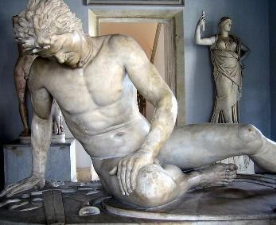
The Capitoline Museums consist of one museum whose collection of art pieces and archeological artifacts reside in four different palaces on top of the Capitoline Hill (Campidoglio): Palazzo dei Conservatori, Palazzo Senatorio, Palazzo Nuovo and in the 19th century, Palazzo Caffarelli-Clementino. The Museum’s history began in 1471 when Pope Sixtus IV donated a collection of ancient statues to the City and located them on the Capitoline Hill (the She-Wolf, Boy with the Thorn, the colossal head of Constantius II).

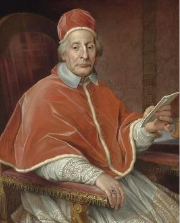
Although the City was already in possession of several important ancient artifacts – a 4th century BC marble sculpture of a lion attacking a horse together with two urns from the tomb of Augustus – the collection increased over time thanks to the additional gifts of subsequent popes and benefactors, and now includes statues, inscriptions, paintings, jewels, coins, tapestries, and other important historical artifacts. In the mid-18th century Pope Clement XII created the embryo of the contemporary museum when in 1773 he purchased from Cardinal Alessandro Albani over 400 Roman busts located now in the Palazzo Nouvo. The pope opened the Museums to the general populace of the City in 1774, making them among the oldest museums in the world and the only one then open to the general public.
This palace complex now faces the trapezoidal public square designed by Michelangelo in the mid-16th century and completed gradually over the course of four centuries. One of its best-known works and originally the centerpiece of the piazza, the equestrian statue of Marcus Aurelius, currently holds place of honor in a recently created glass-covered space inside Palazzo dei Conservatori. A less attractive copy (1981) of the original now stands in the center of the square. A 1979 bomb attack on the nearby Palazzo Senatorio damaged the statue’s base and incentivized the municipality to protect it inside the Museum.

The Capitoline art gallery (Pinacoteca), and the Palazzo dei Conservatori, stand out among the oldest public painting galleries in the world. Created around 1750 with the purchase of 16th and 17th century paintings it includes masterpieces by Titian, Caravaggio, and Rubens. As extraordinarily beautiful as these individual works of art seem to us today, how much more so would they have stood out if they could be viewed in their original and unique settings?
A short list of some important holdings in each of the palaces follows.
Palazzo dei Conservatori:
Floor I (Appartamento Conservatori overlooking the Piazza)
courtyard
Fragments of colossal Constantine statue

head of emperor Constans, son of Constantine;
arch: with BRIT inscription, 51 A.D., part of Claudius’s British conquest; Roma statue of Hadrian from his villa at Tivoli;
Stairwell;
Tiger mosaics: opus sectile;
Marcus Aurelius relief: triumphal arch; Hadrian relief: arch of Portogallo;
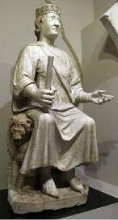
statue: Charles of Anjou by Arnolfo di Cambio, 1272 AD
room I (Sala Orazi Curiae):
pope urban VIII (Barbarini) marble sculpture by Bernini
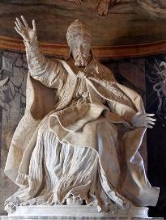
bronze sculpture, pope innocent X (Pamphilji) by Alessandro Algardi(+1649)

frescoes by Cavalieri d’Arpino= Giuseppe Cesare (+1640)
room II (Sala Capitolini):
frescoes of Roman history, 17th century; statues and busts from 16th and 17th centuries;
room III (Sala Trionfi):
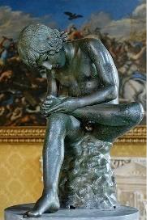
Spinario first century BC = boy with thorn in foot
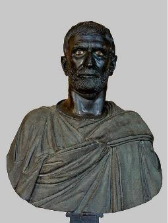
Junius Brutus bust: third century BC
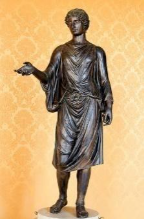
Camillus statue from first century A.D.
room IV (Sala Lupa):
She Wolf =”Lupa” 6th/5thcent BC, Etruscan, Vulcan of Veii struck by lightning 65 BC
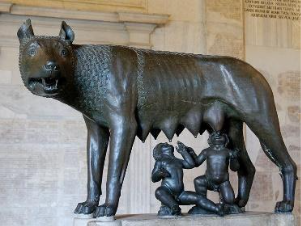
Romulus and Remus of the She Wolf added 1509 by Antonio Pallaiolo;
fragments of Roman magistrates’ list on the walls
room V (Sala Oche):
Medusa head by Bernini

Daniele Da Volterra’s Bust of Michelangelo

Roman eagle: imperial age
room VI (Sala Aquila): wood carved ceilings; goddess statues e.g. Athena/Artemis
room VII (Castellani I): busts of Roman emperors e.g. Hadrian
room VIII( Castellani II): Cosmatesque tabletop: life of Achilles
room IX (Castellani III): commemorative plaques e.g. Michelangelo, Bernini, Titian
Exedra of Marcus Aurelius: Marcus Aurelius Equestrian Statue/Bronze Hercules/colossal bronze Constantine
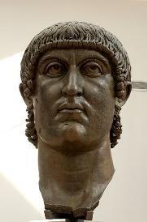
room X (Sala Arazzi): tapestries
room XI (Sala Annibale): 16th century frescoes
room XII (Capella): Chapel dedicated to Peter and Paul, 16th and 17th centuries
rooms XIII, XIV (Halls of Fasti Moderni): inscriptions
rooms 15,16,17,18(Halls of Horti Lamiani): Esquiline Venus/Commodus Hercules
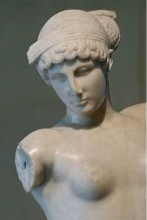
rooms 19,20 (Sale Horti Tauriani Vettiani):
rooms 21, 22, 23(Sale Horti Mecenate): Marsias statue (2nd cent BC copy)
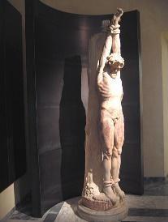
Room 24: Gallery: Esquiline garden remnants from Augustan age
Floor II:Pinocoteca
room I (medieval to 1500): Bartolomeo Passerotti’s presentation of Jesus in the
Temple;
room II (Ferrara 15th century): Garofolo’s Annunciation

room III (Venice 15th century):
Paolo Veronese: Rape of Europa

Titian: Baptism of Christ

Tintoretto (3): Scourging of Christ
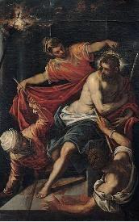
room IV (Rome 17th-century): Pier Francesco Mola’s Diana and Endymion
room V (16th century Emelia): Cavalier d’Arpino’s Diana huntress/ Anthony the
Abbot
room VI (16th century Bologna): Guido Reni (3) – St. Sebastian, Cleopatra,
Anima Beata; Annibale Caracci’s St. Francis
room VII (Sala S.Petronilla):
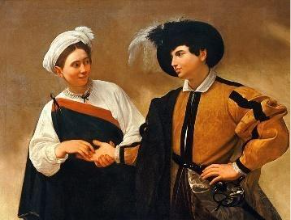
Caravaggio: Gypsy Fortune Teller
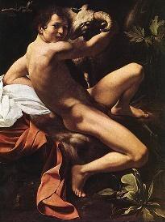
Caravaggio:John Baptist
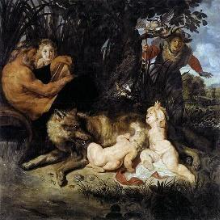
Peter Paul Rubens: Romulus and Remus
Guercino’s burial of S. Petronilla; S.Matthew; Cleopatra before Augustus;
Persian Sibyl; Cumean Sibyl by Domenichino

room VIII: (Pietro da Cortona room): rape of Sabines; Urban VIII portrait;
Bacchus
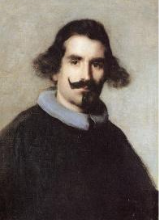
room IX (Cini gallery): Velasquez’ self portrait and portraits(2) of VanDyck/Giovanni Bellini: young man
Floor II: Caffarelli-Clementine Palace
Room 1: (Medallion Collection): Roman money and coins, gold jewelry, medallions of all ages
Room 2: (Sala Clementino): wooden doors and ceilings 17th century
Room 3 (Sala Affreschi): Imperial busts e.g. Tiberius and Hadrian
Room 4 (Sala Frontone): second century BC bas reliefs found on Via San Gregorio Magno
Floor II: Medallion Collection: Roman coins, jewelry, medallions
Palazzo Senatorio
- Galleria Lapidaria: connects Palazzo Nuovo and Palazzo dei Conservatori; contains inscription fragments
- Galleria Traversale: passage to Tabularium; foundation of Veiove Temple; statue of Veiove god; beams from Temple of Vespasian and Titus (at end of gallery
- Gallery of the Tabularium overlooking Forum
- Foundations of Tabularium: foundations pre-exiting Tabularium; Republican era pavement fixed to walls; 2nd century BC mosaic floor tiles; ancient cistern
Palazzo Nuovo
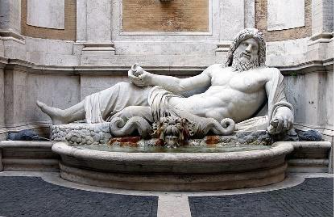
Ground floor Courtyard: Marforio Statue (one of Rome’s 7 “talking statues” e.g. Pasquino);
River God located earlier on the Via di Marforio near the Arch of Septimius Severus
Atrium: Hadrian as Pontifex Maximus; Colossal Mars; Faustina (Antoninus Pius wife) as goddess Ceres
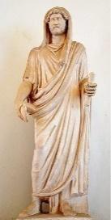
Foot of stairs: colossal statue of Mars

First Floor;
Galleria: Colossal Hercules; Discobolus of Myron (copy); Leda with Swan; drunken Old Woman (3rd BC)
Room #2: dove mosaics
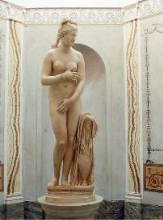
Room #3: Capitoline Venus (Praxiteles original, 4th century BC)
Room #4: Imperial busts: Augustus, Livia, Agrippina, Aurelius, Helena, Titus, Vespasian, Caracala, Severus

Room #5: busts of poets and philosophers Socrates, Sophocles, Homer, Euripides, Cicero, Pythagoras

Room #6: Roman statuary: Centaurs, Apollo, colossal Hercules
Room #7: Laughing Satyr in red marble;
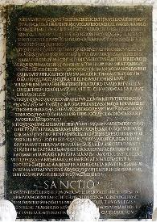
Lex Regia= bronze plaque of Vespasian law code with Michelangelo marble frame;
Marble Faun from Hadrian’s Villa (Samuel Hawthorn novel);

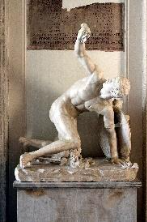
Room #8: Dying Gaul (2nd century BC copy/ belonged to Emperor Nerva); Eros and Psyche; Satyr in repose; Amazon; Capitoline Antinous.