
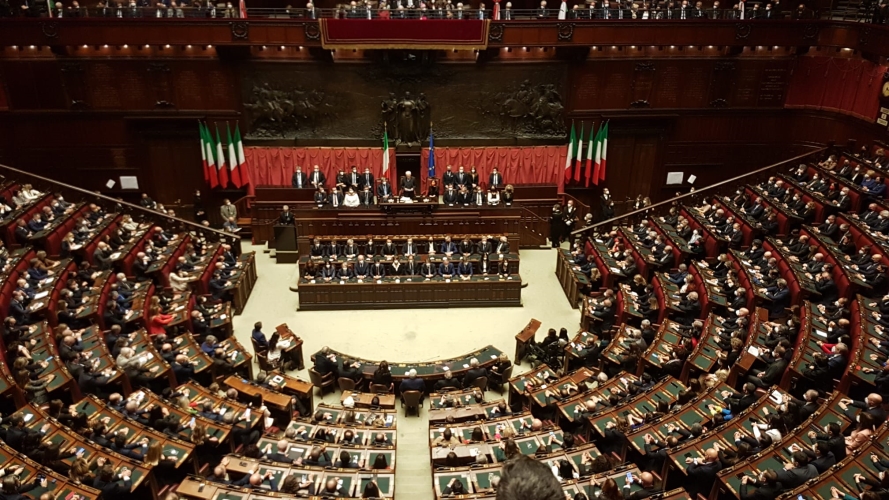
One block away from Piazza Navona, somewhat unobtrusively, stands the majestic and imposing Renaissance palace, Palazzo Madama, surrounded night and day by military police because of its political significance as the Senate House of the Italian State.

The Senate, together with a separate elected body, the Chamber of Deputies, constitute the Italian Parliament, a bicameral legislative body: it makes laws for the country and establishes guidelines for the chief Executive, the President of the Republic, whose government is accountable to it.
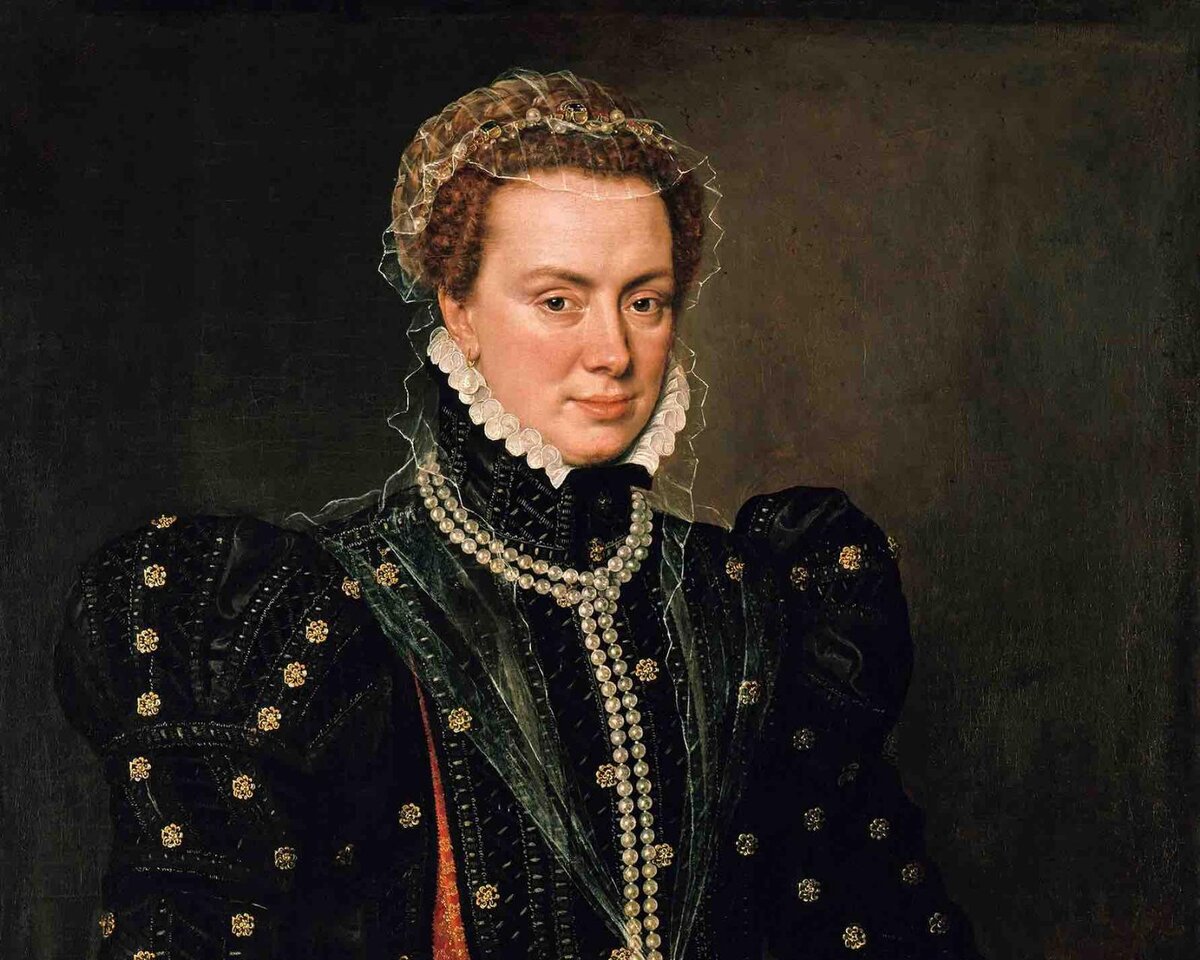
Originally built over the ruins of the ancient baths of Nero, this palace was restored in the late 15th century by the architect Giuliano Sangallo for the Florentine Medici family who owned it up to the 18th century. Its long list of distinguished residents included Giovanni Medici (later Pope Leo X), his cousin Giulio (later Pope Clement VII), Catherine de Medici (later Queen Consort of King Henry II of France and mother of three French kings). Another prominent resident, Cardinal Francesco Maria Del Monte, friend, and agent of the Medici family in Rome and early patron of the arts and artists, became the first patron of the famous and notorious Baroque artist Caravaggio. The young and newly arrived artist from Milan resided in the palace briefly at the dawn of his brilliant but brief career in the City. Margherita of Austria, widow of Alessandro de’ Medici, Duchess of Parma, and highly refined daughter of Emperor Charles V, resided here for over thirty years. The palace derives its name from her title, Madama.
Pope Benedict XIV purchased the building in the mid-18th century to house offices of the papal government, including the Ministry of Finance. When in 1870, the City became the capitol of the recently created Kingdom of Italy, the government expropriated the property and, thereafter, until now, it has served as the Senate House, first for the Kingdom and, since 1946, the Republic of Italy. Its Baroque features, including those of the façade and interior spaces, reflect 17th century renovations to the palace.

Its 19th century architect, Luigi Gabet, sifnificantly modified the structure by closing the open courtyard to create space for the Sala del Senato, the Senate Chamber, the heart of the building.

The Grand Staircase, formal, wide and amply decorated, leads to the Chamber. The Palazzo also houses an impressive collection of paintings, sculptures and frescoes. Distinguished artists have contributed to its beauty and storied past: Caravaggio with library frescoes; Giulio Romano with the cornice of the façade; Baldassare Peruzzi and Giovanni da Udine with frescoes on its inner walls and ceilings.
